How to Get a Big Audience Without a Big Budget
The partnership playbook I've been running for 20 years

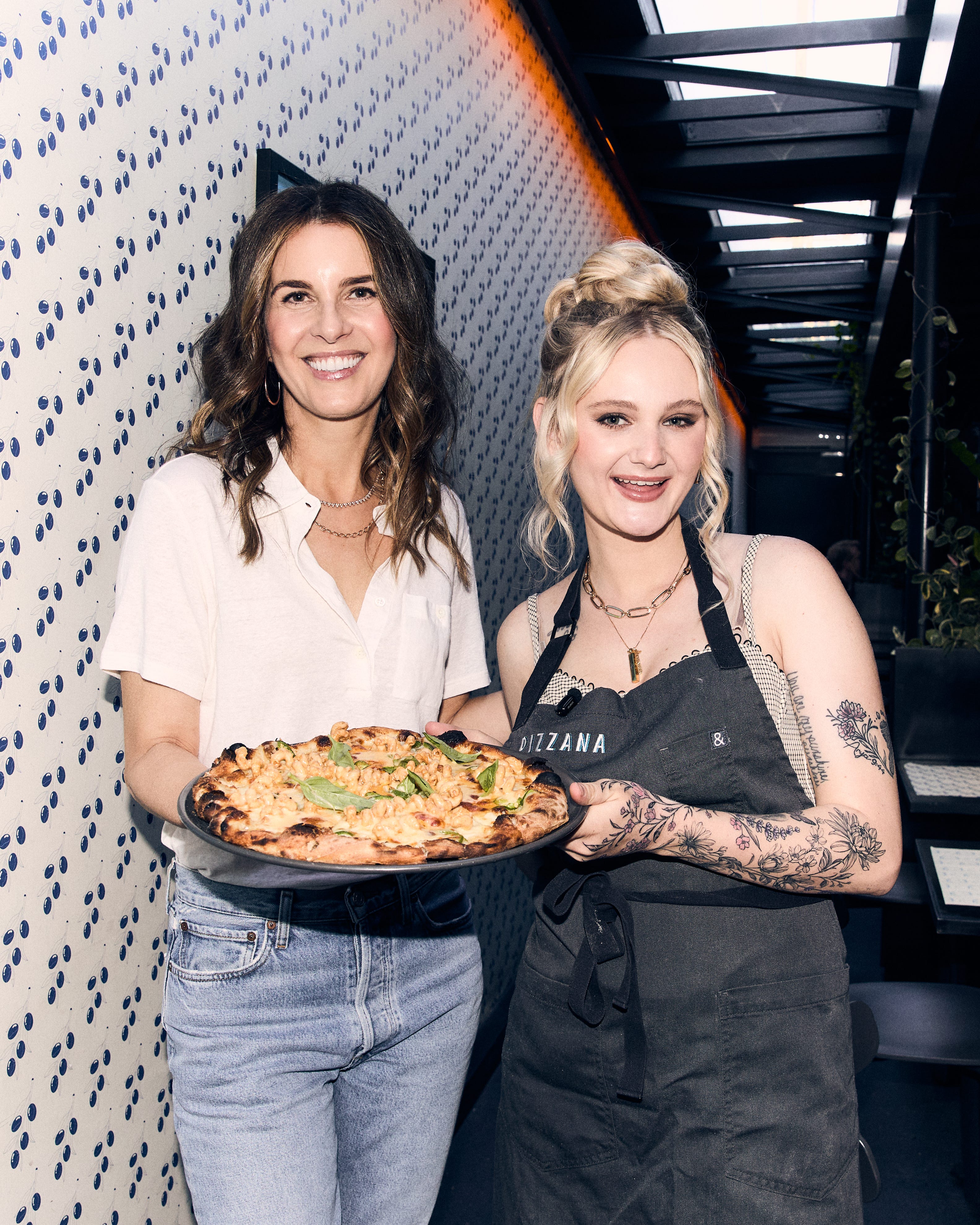
A couple weeks ago, Tini Younger - a TikTok creator with 12 million followers and the most viral mac and cheese recipe on the internet - put on a Pizzana apron, sat in our dining room, and the internet followed her there. Food media picked it up, Hello Sunshine shared it, and just like that a mac and cheese pizza was the most talked-about thing on our menu.
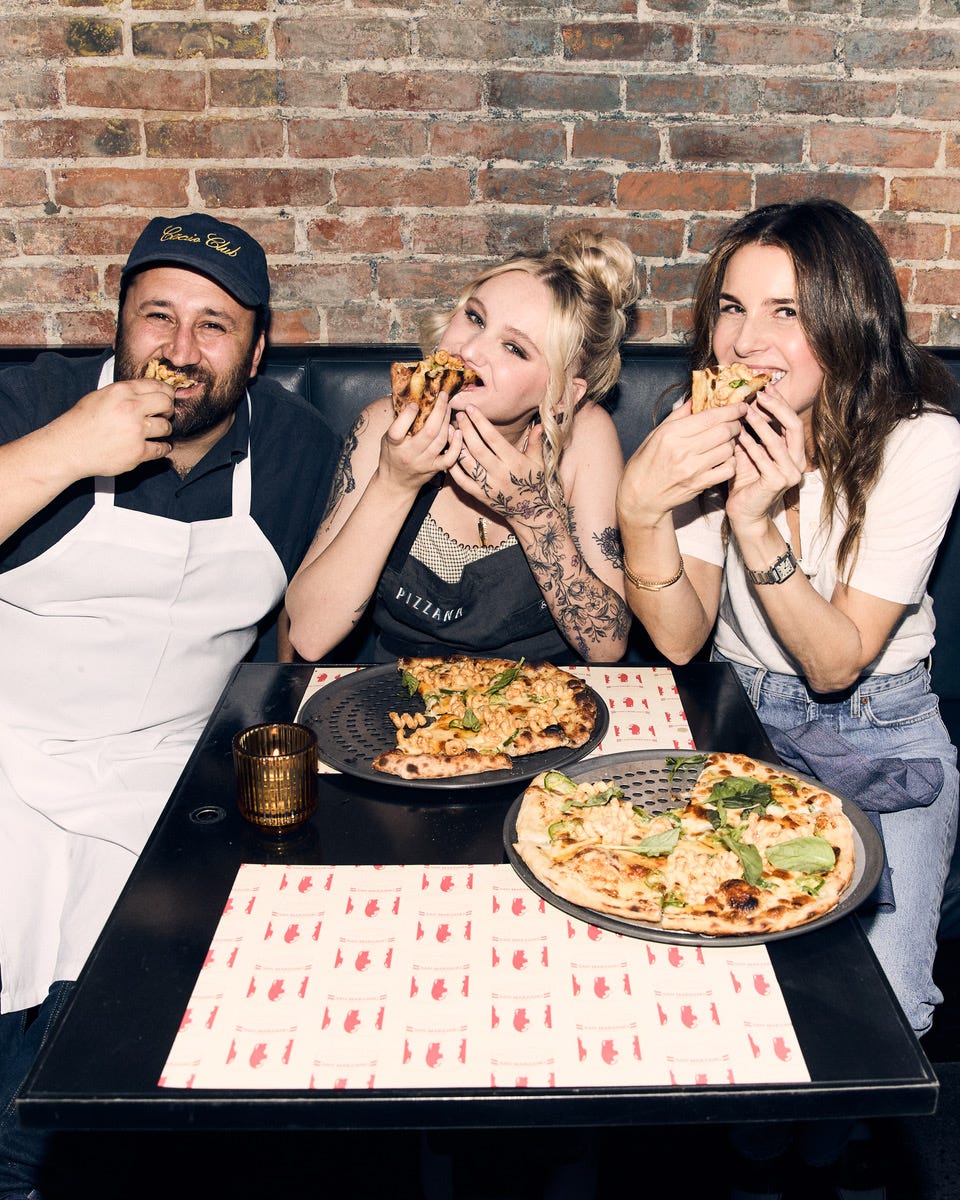
As Tini and I filmed TikTok trends (here and here )between bites of pizza, I found myself thinking about all the partnerships I’ve built over the past twenty years. So much has changed - the platforms, the formats, the pace - and yet so much has stayed the same. If you’re feeling overwhelmed trying to keep up with every new marketing channel and tool, here’s something that might actually be a relief: some of the best marketing moves never go out of style.
You Don’t Have to Be Big to Think Big
Pizzana isn’t a national brand. We have eight locations across LA, Dallas, and Houston, and we’re still very much a regional player. And yet a partnership we built generated national press, was picked up by major food media, and introduced us to an entirely new audience of millions.
A lot of founders treat collaborations as something you earn later, after you’ve scaled or landed the big retail deal or finally feel “ready.” That’s backwards. Collabs aren’t a reward for making it; they’re one of the tools that help you get there. They’re how you tap into a new audience without spending a dollar on ads, how you borrow a little credibility while you’re still building your own, and how you make a small business feel bigger than its current footprint.
Where It Started
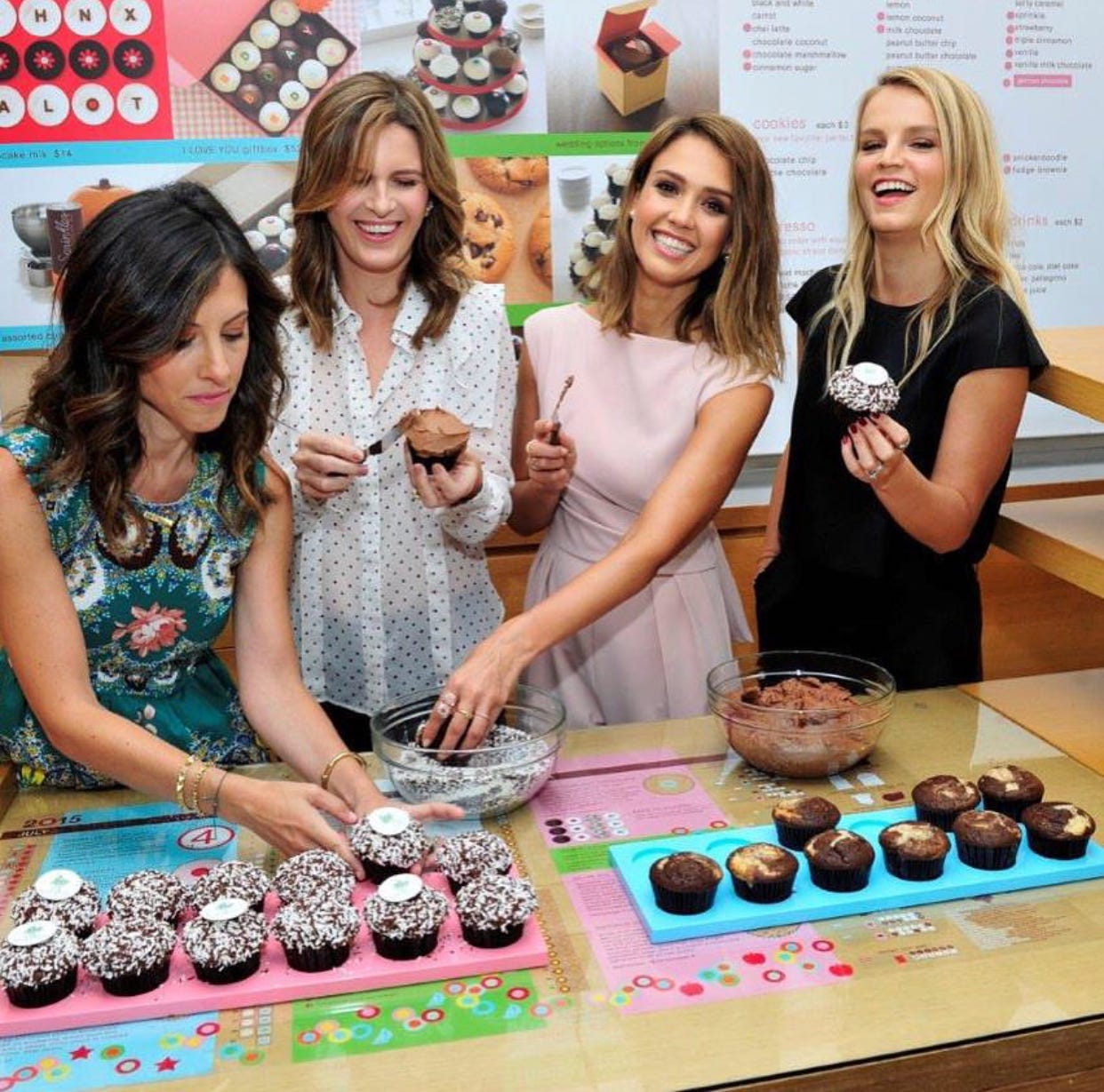
Long before “influencer marketing” was even a term, Sprinkles was doing it. We created celebrity cupcakes with Kerry Washington, Drew Barrymore, and Jessica Alba - each tied to someone with a genuine following, available for a limited time in our stores. Their fans didn’t just double-tap a post and move on; they showed up in person, sometimes in lines that wrapped around the block, to buy a cupcake with their favorite celebrity’s name on it.
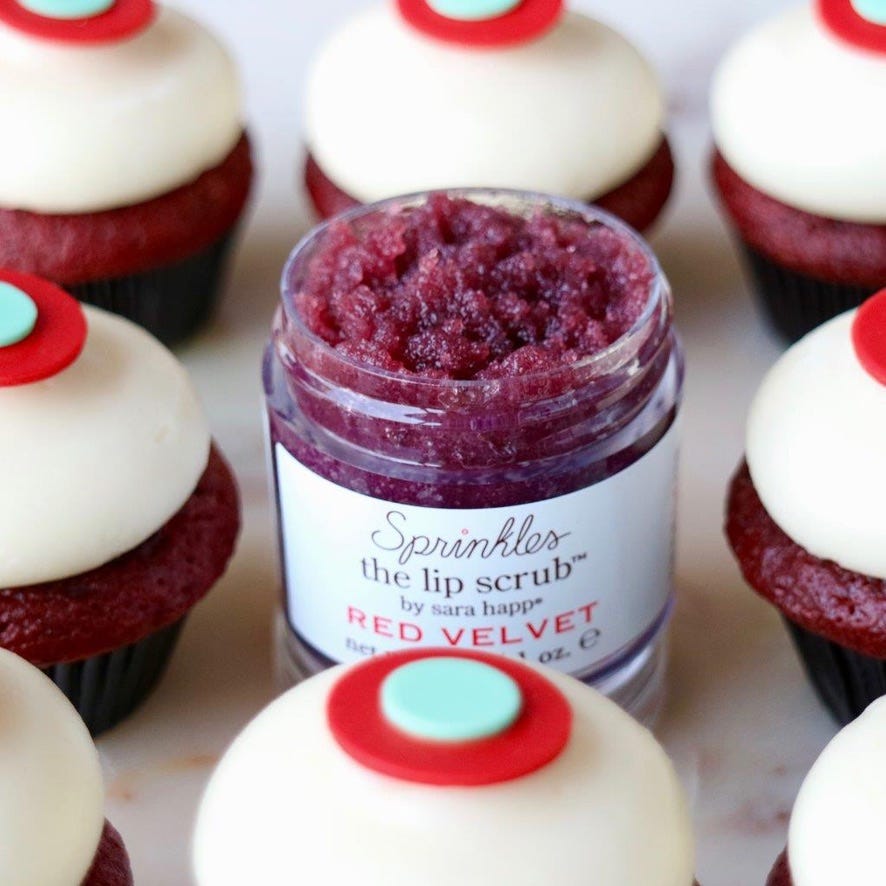
The same playbook worked when the partner was another business. When Sara Happ - the founder of the lip scrub line - came to us about doing a red velvet lip scrub collab, the result was two of our customers’ favorite indulgences combined into one little pot they could carry in their purse. The collab was a smash success - it landed us local press, sold out almost immediately, and Sara still tells me to this day how much business it drove for her brand.
What we were really doing in both cases was giving those audiences a tangible experience they could be part of rather than watch from a screen. That insight has stayed with me in every business I’ve built since.
Our Pizzana Partnerships
At Pizzana, we’ve built partnerships into an ongoing program. The list keeps growing - from a Winter Crunch salad with a BeeKeepers Naturals honey dressing, to a pasta with The Pasta Queen, to a Molly Baz sandwich featuring her Ayoh! mayo, and now Tini Younger’s Mac n Cheese pizza with proceeds benefiting No Kid Hungry.
Each one gives both audiences a reason to show up somewhere new. The best collabs are genuinely more than the sum of their parts.


What Makes a Partnership Actually Work
A few things I’d put in your back pocket before your next pitch:
1. The warmest collab is almost always already in your orbit.
The Tini partnership didn’t come out of nowhere. She’d been on Next Level Chef, I’d been a judge on Next Level Baker, and we share the Gordon Ramsay universe. There was a thread there long before anyone reached out. The next time you’re tempted to send a cold pitch to someone you’ve never met, look at your existing network first - the warmest opportunity you can land is usually one or two real connections away.
2. Look for audiences that are adjacent, not identical.
The best collaborator isn’t a bigger version of you. It’s someone whose audience is one step over from yours - close enough that the overlap makes sense, different enough that you’re genuinely opening a door for both communities. Reach matters, of course - that’s not nothing - but reach alone isn’t a strategy. If your audiences look exactly the same, you aren’t expanding your table; you’re just rearranging the chairs.
3. Make a real product, not just a paid post.
A sponsored post is something the creator says about you. A collab is something you make together that has its own reason to exist. Before you sign anything, ask yourself the question that cuts through every bad partnership pitch: if I took the creator’s name off this, would there still be a reason for it to exist? If the answer is no, you’re not collaborating - you’re advertising.
4. Name what you actually bring to the table.
This is the one most founders miss completely. If you have a physical product, a real shelf, a brick-and-mortar space, or a deeply engaged niche audience, you have something a 12-million-follower creator doesn’t - a place where their digital community can have a real, tangible experience. That isn’t a favor you’re asking for; it’s an asset you’re offering, and leading with it changes the entire shape of the conversation.
The question worth asking before your next pitch isn’t who can I get on board? but what would we make together that wouldn’t exist otherwise? If you can answer that one honestly, the rest of the collab strategy mostly takes care of itself.
Tini’s Mac & Cheese Pizza is at every Pizzana location in LA, Dallas, and Houston for a limited time, with proceeds going to No Kid Hungry. If you make it in, take a picture and tag me @candacenelson - I love seeing where these collabs end up. 🍕
XO,
candace
P.S. What I’m Reading
Two books on my nightstand right now that you should pick up too:
• Bounce Forward: 21 Tools to Live a Life Beyond Limits by Amy Purdy - Amy lost both legs to meningitis at 19 and went on to become a three-time Paralympic medalist. This is her playbook for what it actually takes to keep moving forward when life forces you to start over.
• The Power of Real Optimism by Dr. Deepika Chopra - A science-backed case for staying open, curious, and resilient when things get hard - from the doctor who’s spent her career studying what optimism really is (and isn’t).
This is a particularly timely read for me! I was just chatting with one of my cofounders about the power of partnerships...
Not just the story, the proceeds seal the sweet success!