How to Stop Pulling Your Hair Out When the Numbers Tank
Don’t let bad numbers become a bad story.

I was at the hair salon last week, mid-color appointment, when my colorist, Kat, asked:
“Has your reach been tanking lately too?”
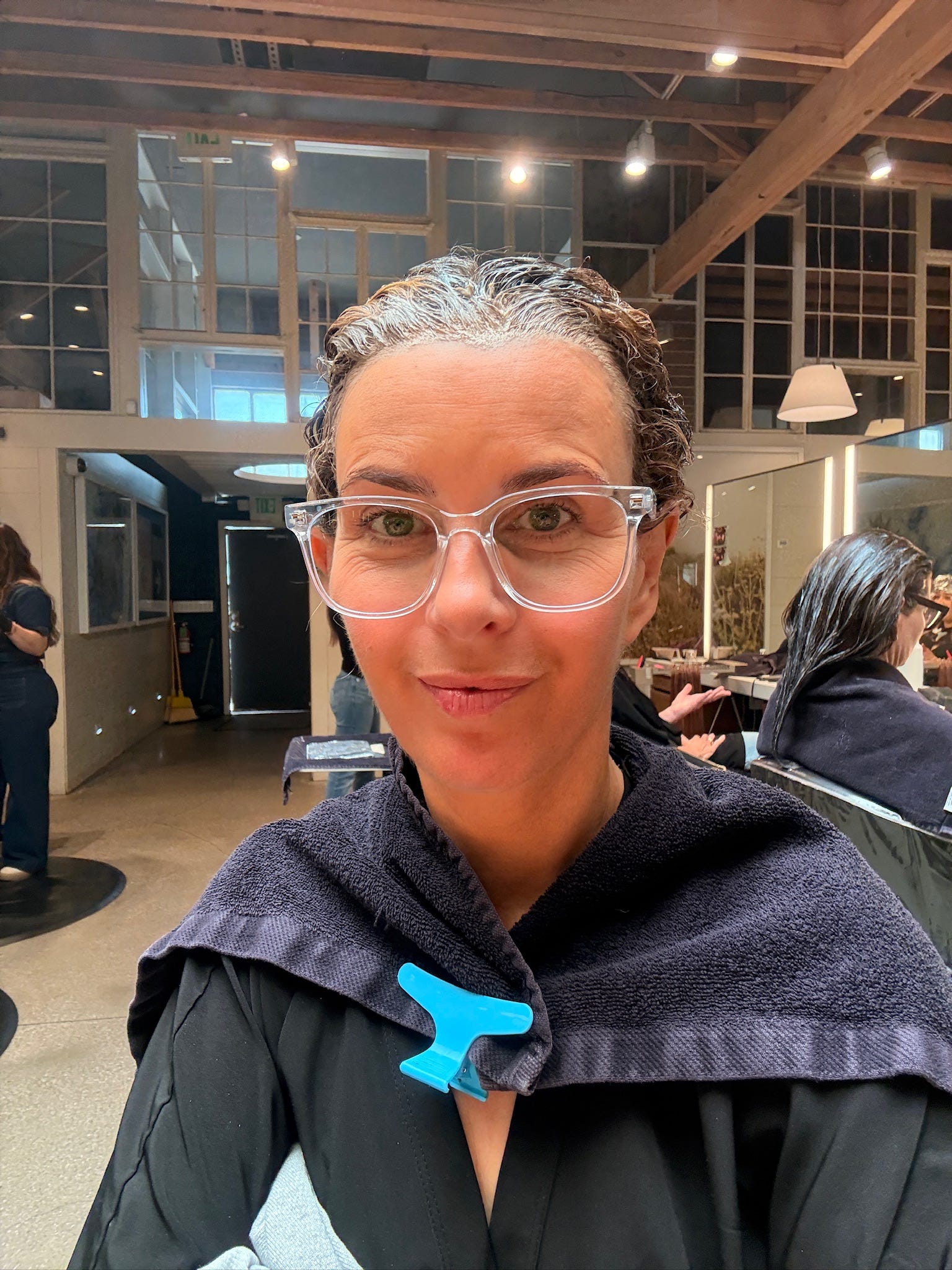
Kat is also a content creator in the fashion space, and whenever I see her we compare notes on what’s working on our social platforms. For weeks she’d been watching her metrics plummet and she was starting to panic that everything she’d worked so hard for – the audience, community, the affiliate income - was slipping away.
And yes, I told her, as a matter of fact, my Instagram reach had been tanking. In fact, it had gotten so bad that I’d recently checked my insights to make sure I wasn’t in violation of any Meta guidelines. It was annoying, I agreed, but kind of shrugged it off.
Surprised by my reaction, she suggested that maybe the dip wasn't worrying me because I'd seen so many of them as a business owner. After 20 years of building through ups and downs, I know not to spiral when something stops working. Instead I’m already thinking about what move I want to make next.
She was actually spot on. One of my mantras is: the only constant is change. It often feels like every time you get the hang of a new platform, the reward is another one to figure out. Once you master Twitter, you need to learn IG just to have to get up to speed on TikTok. Years of weathering business cycles had prepared me for exactly this kind of moment.
But I understood exactly how Kat was feeling. There was a time when I wasn’t quite so grounded…
The Morning the Store Was Empty
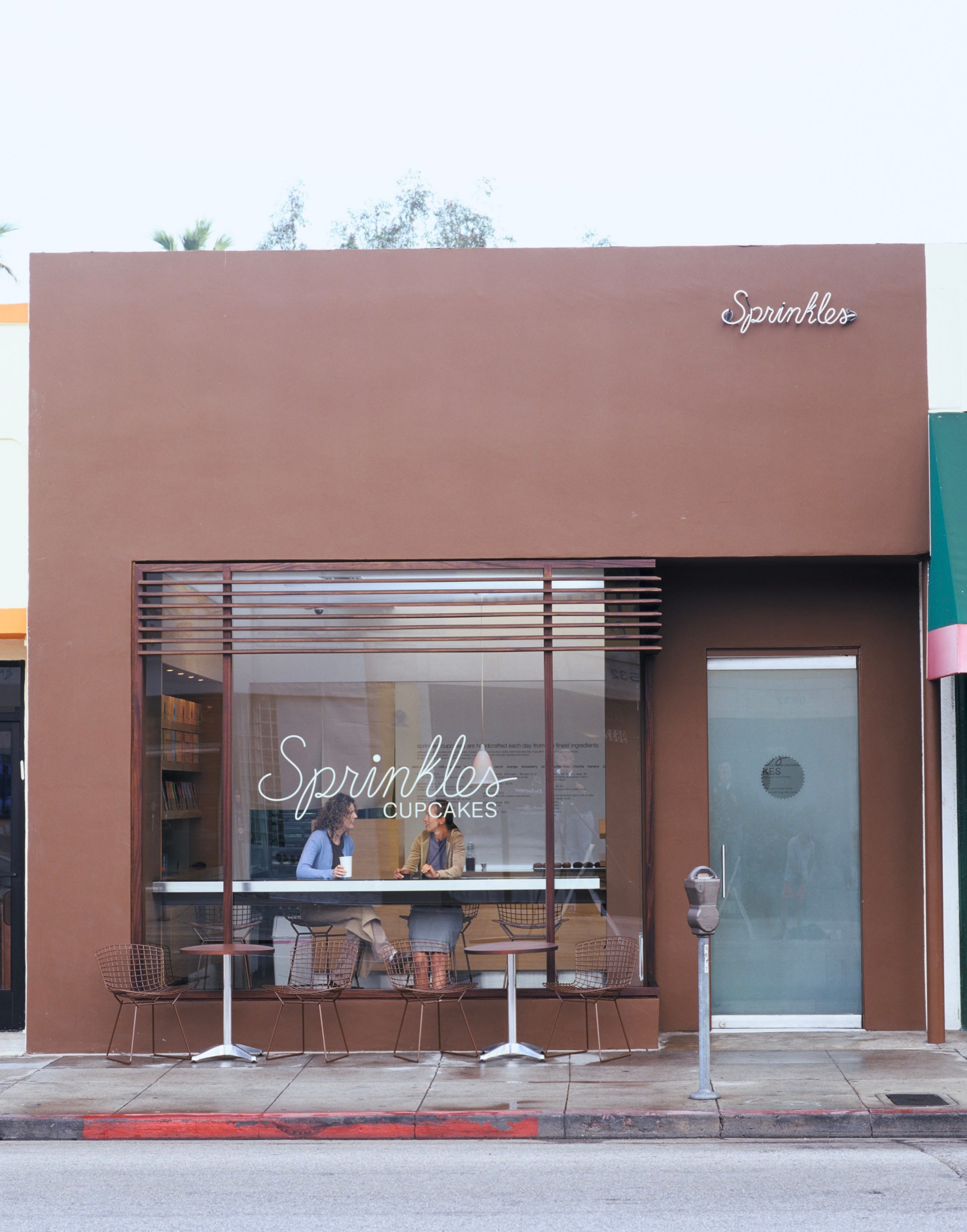
For years before I opened Sprinkles, everyone around me had told me it would never work. And as passionate as I was about my idea, there was always another voice in the back of my mind keeping me in check. The one that said - Who are you to chase your dreams? How dare you believe this crazy idea could work?? It was a voice that had absorbed all those years of warnings and was now in charge of managing my lofty expectations.
Once we opened our doors and were met with lines around the block, that voice didn’t go away. If anything, it got louder. My dream was actually coming true and that felt too good to be true. Every day at the bakery, instead of enjoying the line out the door, I was waiting for the other shoe to drop. It felt like a persistent low-grade dread.
And then one morning - crickets. The line that usually snaked down the block had trickled down to a few stragglers.
I KNEW IT! I knew it was too good to be true. Every fear I’d been carrying, every warning from every doubter, every quiet moment of dread - all of it validated. The dream was over.
I called my husband, my voice of reason, who calmly explained to me that it was a Jewish holiday where a large part of our neighborhood was fasting. Nobody was coming for a cupcake that day because they weren’t supposed to be eating - at all! That’s it.
Crisis averted - for now. But that feeling never really went away. Every slow Tuesday or dip in sales I was bracing for the bottom to drop out all over again. The paranoia didn’t disappear as I built - I just learned to function alongside it.
“The crisis was never anything more than the story I was already telling myself.”
Twenty years later, watching Kat in that salon chair, I recognized the same fear - convinced everything she’d built was for nothing.
And to be fair, she wasn’t wrong to be worried. Things outside your control do shift. The algorithm changes, suppliers vanish, channels dry up. But your job isn’t to keep any one thing working forever - it’s to know whether you’re looking at an anomaly or a real shift, and then react accordingly.
The numbers might look soft at the store this week, but a glance at industry trends could confirm you’re right in line with everyone else - high gas prices causing a pullback on discretionary spending. That’s an anomaly. People will spend again when conditions shift. But it could also be something more lasting - the uptick in GLP-1s isn’t going away next month or next year, and it’s time to start programming for the new change in behavior.
Knowing which one you’re in is the difference between waiting it out and rebuilding the menu.
Either way, it’s important to keep your head. Here’s how I keep mine:
1. Separate the data from the story. When something dips, write down what you actually see - not what you fear it means. Reach is down 40%. Sales are off 12% for the week. The store was empty between 10 and 2 on a Tuesday. Get the facts on paper before you let yourself interpret them. Most spirals happen in the gap between observation and interpretation, and that gap is where your worst instincts live. The single most useful question I can ask myself in those moments is what would a stranger conclude from this data? - because a stranger doesn’t have my fear, or my running narrative about whether I deserve any of this.
2. Ask what else is going on. The empty bakery had a holiday underneath it. The reach drop has a platform shift underneath it. Almost every dip has a context that the catastrophizing voice in your head conveniently leaves out. Before you decide your career is ending, check what the rest of the industry is doing, what’s on the calendar, what’s happening in the news. Talk to other people in your space for context. When Kat and I realized this was happening to both of us at once, it gave us some relief. It wasn’t that our content needed a complete revamp - it was something bigger and more systemic than our last few reels. It’s reassuring to find out that others are grappling with the same thing you are.
3. Don’t make decisions from a place of fear. The feeling that everything is collapsing is just that - a feeling. It’s not a read on what’s actually happening, and it’s definitely not a plan. Making decisions from a place of fear or weakness will never serve you. When you operate from that place, you do less, not more. You wait it out instead of taking action to work through it. And that hesitation almost always costs more than the original problem ever would. The foundation you’ve built is still there underneath the panic. You just have to remember to look at it.
“That hesitation almost always costs more than the original problem ever would.”
So if you’re sitting in a moment where something that used to work has stopped working, and you’re convinced this is the one - this is the time the door closes for good - consider that it might just be a “fasting” day. Tomorrow morning the line might be longer than ever.
But even if it’s not - even if this is a permanent shift - the work you’ve put in doesn’t disappear with the metrics. You may lose some of the spoils, but the lessons come with you.
As for me - my Instagram is still down. I’m working on what to do about it. But I’m not panicking.
XO,
candace
P.S. It's my birthday today. If you've got a second, come find me on Instagram - a follow, a like or a comment would be the best birthday gift you can give me.